
Fabric stores rely on bulk zippers to support the enormous range of sewing projects their customers create—from lightweight garments to heavy-duty marine enclosures. This guide explains every core zipper type, gauge, slider configuration, material choice, and sourcing strategy fabric stores should understand. It also covers merchandising, troubleshooting, inventory planning, and the benefits of partnering with U.S. manufacturers like LenZip. Whether your store specializes in quilting cotton, outdoor canvas, apparel textiles, upholstery goods, or technical fabrics, this guide equips you to make confident, profitable zipper-sourcing decisions.
Bulk zippers are among the most essential components inside fabric stores, quilt shops, sewing studios, upholstery suppliers, and marine fabrication retailers. Whether customers sew apparel, quilts, handbags, boat covers, leather accessories, outdoor gear, or industrial covers, zippers appear in nearly every category of textile construction. Stores that maintain strong zipper assortments become local destination suppliers due to their reliability and technical knowledge.
This guide provides the deepest retail-level zipper education available online, integrating engineering insight from LenZip, one of America’s longest-operating zipper manufacturers. It explains how fabric stores can select, stock, display, and source zippers in bulk with confidence—all while improving sales, customer satisfaction, and overall retail performance.
Why Fabric Stores Buy Zippers in Bulk
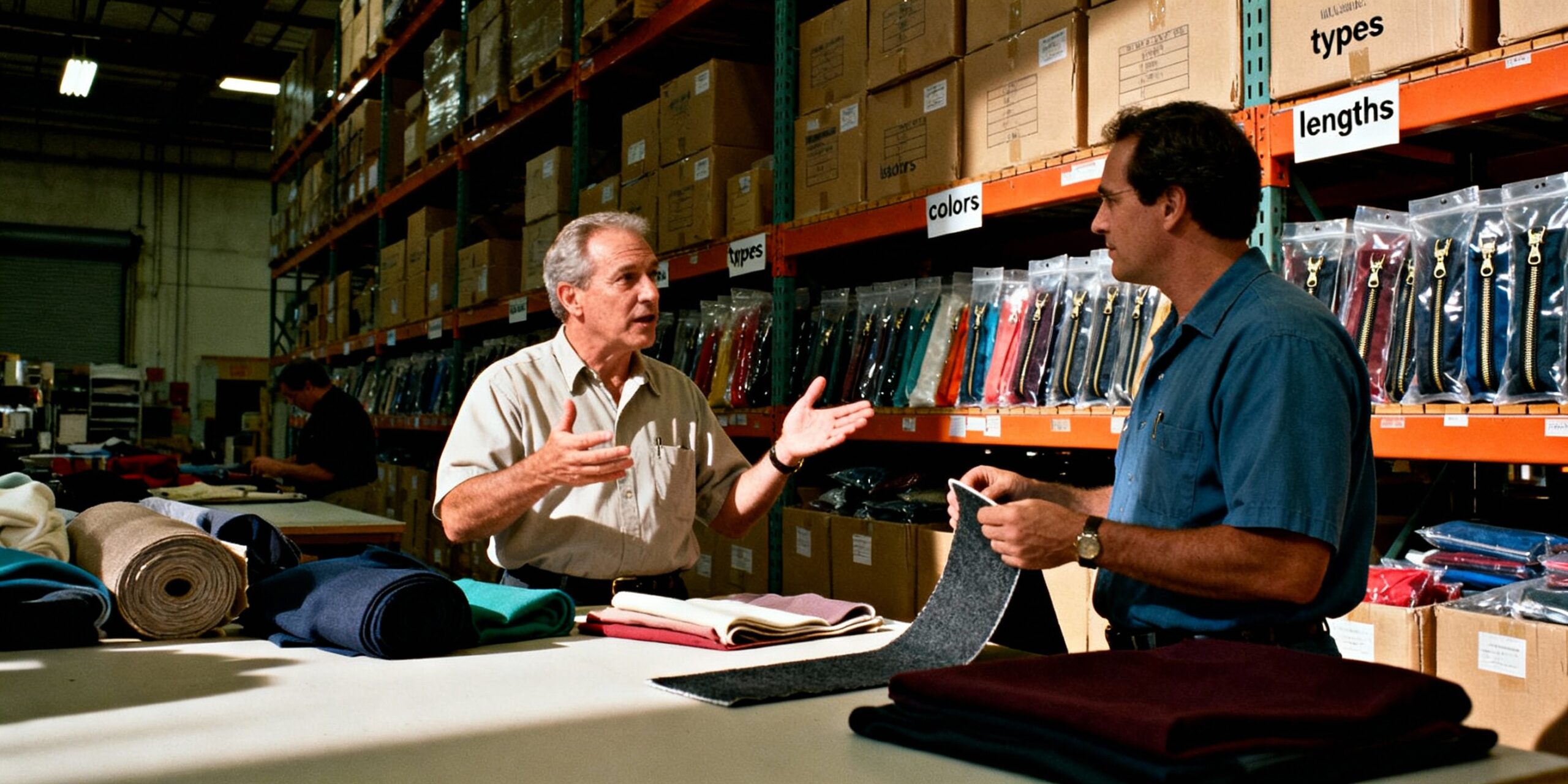
Bulk purchasing improves store profitability by reducing per-unit costs and increasing available margins. Bought wholesale, zippers cost significantly less than individually packaged retail options, allowing stores to price competitively while maintaining healthy markup. Purchasing directly from U.S. manufacturers like LenZip ensures consistent color, gauge, tape quality, and slider compatibility across restocks.
Bulk assortments also help stores maintain colorway depth and length variety. Apparel sewists often need exact zipper lengths; bag makers regularly require #5 zippers; quilters frequently buy #3; upholsterers depend on #8 and #10 gauges; and marine fabricators require UV-stable molded chains. When stores stock wholesale assortments instead of small retail packs, they eliminate out-of-stock issues, strengthen customer loyalty, and meet project demands promptly.
Supply chain reliability is another major factor. Many stores now prefer domestic manufacturing partners to reduce lead times and improve consistency. Working with a American zipper supplier ensures predictable restocking cycles and ethically sourced products. American-made zippers also align with sustainability and quality-focused consumer trends.
Buyer Personas for Fabric Stores
Fabric retailers serve diverse sewing audiences, each requiring specific zipper types. Quilt shops regularly sell #3 and #5 nylon coil zippers to customers making pouches, accessories, and quilted organizers. Apparel-focused stores move large quantities of invisible zippers, light coil chains, and various lengths tailored to dresses, skirts, jackets, and formalwear. Upholstery shops rely on #8 and #10 molded plastic or heavy-duty coil zippers to support cushion covers, slipcovers, furniture, and commercial seating. Marine fabricators need UV-stable continuous chain with corrosion-resistant sliders for boat enclosures and canvas systems. Crafters and small business sewists purchase large volumes of lightweight coil zippers for wallets, gifts, and smaller handmade goods.
Understanding these personas helps stores keep the correct zipper types in stock and avoid slow-moving inventory. Internal references like Choosing the Right Zipper support staff in making accurate recommendations based on these audiences.
Core Zipper Types Fabric Stores Should Stock in Bulk
Coil Zippers — Flexible, lightweight chains ideal for apparel, quilting, organizers, and bag-making. Engineering differences are outlined in Zipper Types Explained.
Molded Plastic Zippers — Rigid, impact-resistant teeth suitable for upholstery, marine canvas, tents, cushions, and outdoor covers. Structural characteristics are explained in Coil vs Molded Zippers.
Metal Zippers — Brass, aluminum, or nickel chains used in denim, leather goods, jackets, workwear, and fashion accessories. Differences appear in Brass vs Aluminum Zippers.
Invisible Zippers — Essential for dresses, skirts, formalwear, pillows, and home décor usage.
Upholstery and Marine Zippers — Heavy-duty chains built for UV exposure, tension, and abrasion. These appear in Marine & Outdoor Zippers and Coverall / Upholstery Options.
Continuous Zipper Chain — Sold by the yard or roll; ideal for custom lengths, upholstery, and large textile projects. Reviewed in Continuous Chain vs Finished Zippers.
These categories ensure stores meet the needs of every major sewing discipline.
Understanding Zipper Gauges, Strength, and Compatibility
Gauge width determines zipper strength and intended application. The #3 gauge is used for lightweight garments, pouches, and small accessories. The #5 gauge is the most versatile midweight chain used for totes, organizers, handbags, and mid-duty apparel. Heavy-duty gauges like #7, #8, and #10 are built for marine canvas, upholstery, tents, industrial covers, and large outdoor textiles. Gauge comparisons are outlined in the Zipper Gauge Size Chart.
Gauge also determines slider compatibility. A #5 coil slider will not function on a #5 molded chain, and a #10 marine slider is incompatible with a #10 metal chain. Stores that sell sliders separately must reference engineering details in Guide to Zipper Teeth, Sliders & Parts.
Tape material affects durability as well. Polyester tape provides high UV resistance and strength for outdoor applications, detailed in Polypropylene vs Polyester. Nylon tape excels in flexibility for apparel and quilting. Polypropylene tape provides additional resistance for marine or industrial contexts, explained in Nylon vs Polypropylene.
Material Science Behind Bulk Zippers
Zipper performance is heavily influenced by the materials used for both teeth and tape. Coil teeth—nylon or polyester—offer soft bending and easy sewing. Molded acetal teeth resist UV light, moisture, and repeated stress, making them indispensable for outdoor and industrial sewing. Metal chains—including brass, aluminum, and nickel—provide exceptional tensile strength for structural garment construction. These differences appear in Zipper Materials & Finishes.
Tape materials matter as much as teeth. Polyester tape retains color well under sun exposure, while nylon tape bends easily around curves. Polypropylene tape supports marine and commercial applications and is compared in Nylon vs Polyester vs Polypropylene.
Slider Types and Their Role in Retail Sales
Zipper sliders are often misunderstood by customers, yet selecting the correct slider is essential for proper zipper function. Auto-lock sliders secure the zipper in place when not being pulled, making them ideal for jackets, cushions, and bags. Non-lock sliders move freely and are popular with quilters and bag makers for smooth, uninterrupted glide. Double-pull sliders are used on reversible garments, duffels, tents, and marine enclosures. Reverse sliders pair with reverse-coil zippers to present the flat coil surface outward. Marine sliders provide corrosion resistance and are used with UV-stable molded chains.
Sliders must match both gauge and chain type, and details can be reviewed in Zipper Parts & Slider Guide. Fabric stores that educate customers on slider compatibility reduce returns and improve satisfaction.
Color Assortment & Matching Strategy
Color plays a central role in zipper selection, especially among quilters, apparel sewists, and bag makers. Stores typically stock a deep range of neutrals—black, white, beige, gray, navy—paired with seasonal and fashion color collections. A visually organized “zipper color wall” significantly improves the customer experience.
Color-matching guidance appears in How to Match Zipper Color and Tape to Fabric, which helps staff guide customers selecting zippers for patterned, textured, or specialty fabrics. Maintaining cohesive color collections for #3 and #5 coil styles is especially important.
Customer Scenarios Fabric Stores Encounter
Consider a customer who arrives with a vinyl boat cushion needing a replacement zipper. The cushion faces sunlight, moisture, and tension loads. A knowledgeable fabric store immediately knows a lightweight coil zipper would fail. Instead, the correct choice is a #10 molded plastic zipper with UV-stable tape—reinforced by knowledge from Marine Zipper Guides.
Another customer may need a 35-inch zipper for a duffel bag pattern. Retail packs rarely include this length, but continuous chain allows stores to cut exact measurements and pair them with the correct slider. Education is supported by Continuous Chain vs Finished.
These scenarios illustrate how technical knowledge transforms customer service and increases zipper sales.
Common Customer Questions Fabric Stores Should Expect
Fabric stores regularly answer detailed zipper questions. Customers often ask what zipper gauge is best for a handbag; most require #5 coil or molded zippers. When sewing canvas or vinyl, they typically need #8 or #10 molded chains. Many customers need help replacing sliders, which can be addressed with How to Replace a Slider. Others bring in damaged zippers; troubleshooting resources like Zipper Teeth Not Closing or Fixing a Jammed Zipper help guide them.
Quality Issues, Repairs & Troubleshooting
Stores act as informal technical support centers for zipper problems. Slider fatigue, misalignment, tape fraying, and tooth separation are among the most common issues. Technical understanding from How to Fix a Zipper and Common Zipper Design Mistakes helps staff diagnose failures caused by using incorrect gauges or pairing lightweight zippers with heavy fabrics. Fabric stores can prevent future issues by educating customers on Zipper Care Tips.
Inventory Planning & Merchandising Strategies
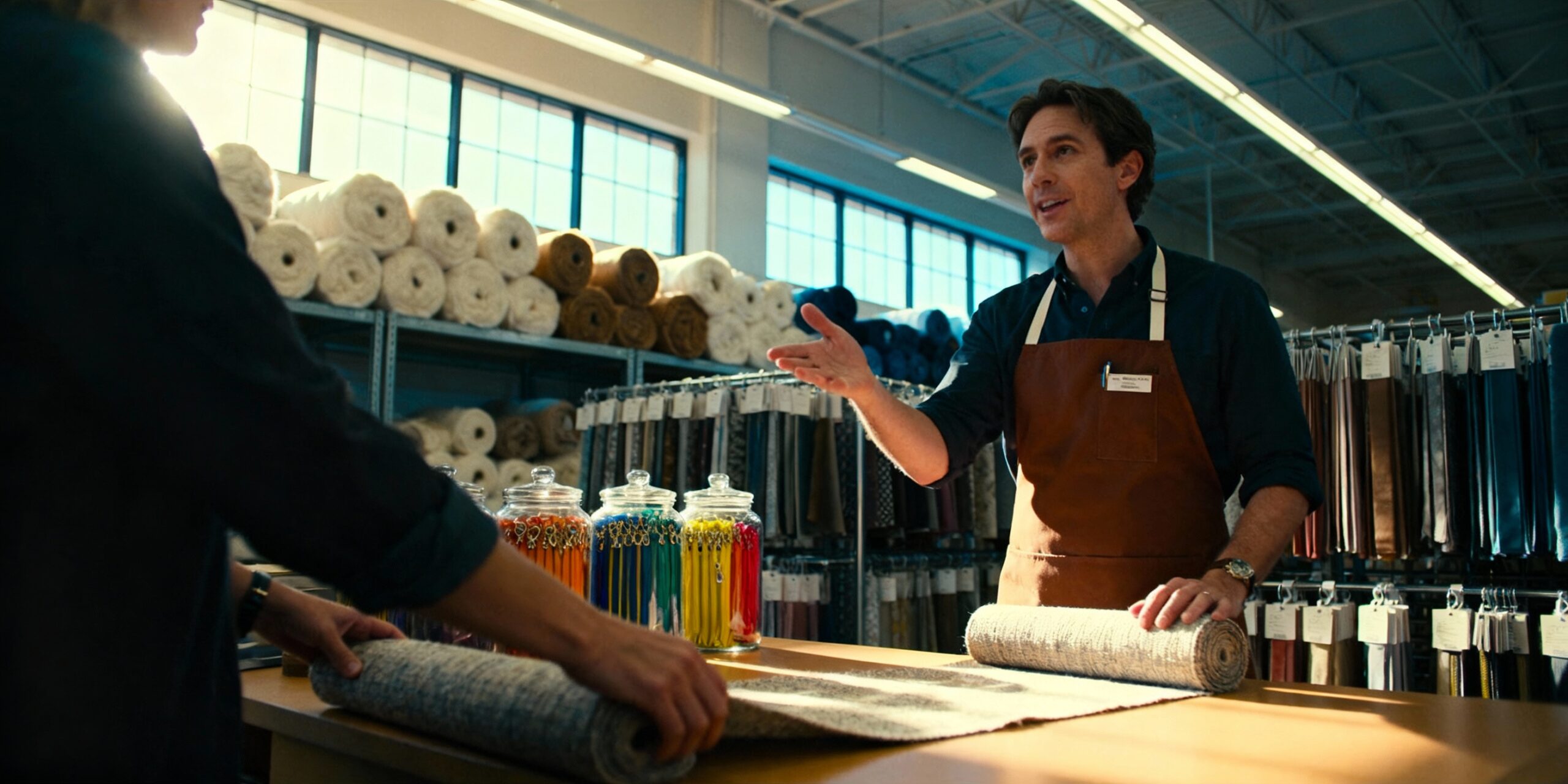
Fabric stores maximize zipper sales by displaying products based on project categories rather than by gauge alone. Apparel zippers perform best when displayed near garment trims and patterns. Bag zippers sell best beside stabilizers, interfacing, webbing, hardware, and canvas. Heavy-duty outdoor zippers should be placed near marine fabric, vinyl, and industrial textiles.
Stores often install zipper “color walls” with ordered gradients of #3 and #5 coil zippers, which create a visually helpful shopping experience. Sliders should be located near continuous chain rolls, enabling staff to assemble custom-length zippers. Internal education tools like Zipper Terms You Should Know and Zipper Glossary improve staff expertise.
Bulk Ordering Structures for Fabric Stores
Fabric stores typically buy zippers in several formats: finished zippers with installed sliders, continuous chain rolls, slider assortments, cut-to-length orders, or project-specific bundles. Upholstery-focused retailers often depend on cut-to-length production explained in Custom Fit Cut-to-Length Zippers. Bag makers use #3 and #5 coils frequently, guided by resources such as The Best Zippers by the Yard.
For custom colors, large orders, or special configurations, stores can submit inquiries at Request a Quote — and contact us.
Benefits of Buying Zippers in Bulk Instead of Retail Packs
Bulk purchasing greatly reduces per-unit cost and increases profit margins. Wholesale zippers eliminate the inflated packaging costs of retail packs.
Bulk assortments give stores precise control over color, gauge, and length distribution. Retail packs force unwanted colors and irrelevant sizes, while wholesale assortments let stores stock exactly what their customers need.
Why Fabric Stores Prefer U.S.-Made Zippers
U.S.-made zippers offer consistent engineering, ethical manufacturing, and reliable fulfillment schedules. Domestic sourcing aligns with quality expectations and supports local production. Stores benefit from ASTM-compliant testing, engineering documentation, and precise color matching, detailed in Why Choose LenZip and U.S.-Made Zippers Gaining Ground.
Bulk Zipper Supply Starts with LenZip
Fabric stores seeking dependable wholesale zipper supply, consistent quality, and fast U.S. delivery choose LenZip. Our American factory manufactures continuous chain, upholstery zippers, molded marine zippers, metal zippers, invisible zippers, and custom-run production for retailers of all sizes.
Explore our complete product line at LenZip Products, access engineering documentation at LenZip Resources, or submit a wholesale inquiry through Request a Quote.
Visit our Manufacturing profile for directions and reviews — and contact us.
Summary
Bulk zippers are one of the most profitable and essential components inside fabric stores. By understanding zipper types, gauges, materials, sliders, color systems, troubleshooting, and inventory strategy, retail shops elevate customer service and increase sales. Whether you serve apparel sewists, quilters, upholsterers, bag makers, or marine fabricators, a well-planned zipper assortment supported by domestic manufacturing ensures reliability and long-term retail value. The engineering team at LenZip provides the U.S.-made zipper solutions required for every major sewing category.
Frequently Asked Questions
What zipper types do fabric stores buy most often?
Coil, molded, metal, invisible, upholstery, marine, and continuous chain zippers support nearly all retail sewing projects.
Which zipper gauges sell the fastest?
#3 and #5 coil dominate quilting, crafting, and apparel. #8 and #10 gauges sell throughout upholstery and marine markets.
Are bulk zippers sold with sliders included?
Finished zippers include sliders; continuous chain requires separate slider purchase. See Slider and Parts Guide.
How should fabric stores help customers choose a zipper?
Use project-based recommendations and refer to Choosing the Right Zipper for material and gauge details.
Do fabric stores need both continuous chain and finished zippers?
Yes. Continuous chain offers custom lengths; finished zippers serve beginning sewists and pattern-based projects.
Are U.S.-made zippers better for retail stores?
Yes. They offer reliable supply chains, consistent engineering, and ethical production. See Why Choose LenZip for advantages.