
What “Strongest Zipper” Actually Means in Real Engineering
Manufacturers often use the phrase strongest zipper, but strength only exists in context. A zipper that survives extreme tensile pressure may fail instantly in saltwater. Likewise, a zipper engineered for military packs might not withstand UV radiation on a boat enclosure. Because every application creates different stress factors, the strongest zipper is always the one engineered for the actual forces, temperatures, chemistry, and environmental exposure it will face.
Designers building tactical equipment, industrial curtains, firefighter gear, marine upholstery, aerospace insulation, or commercial tents must understand that no single zipper excels everywhere. For this reason, high-performance products depend on application-specific hardware engineered with precise materials, gauges, tapes, coatings, and sliders. U.S. manufacturers like LenZip provide this level of engineering and document their performance expectations in resources such as Zipper Testing Standards and How Zippers Are Tested for Strength, Corrosion, and Fatigue.
As you evaluate zipper strength, focus on tensile force, slider torque resistance, environmental stability, fatigue cycles, tape durability, and tooth geometry. These factors define real-world zipper performance and separate industrial-grade zippers from commodity imports that fail under stress.
How Gauge Size Drives Strength
Gauge is one of the most reliable indicators of heavy-duty strength. Larger gauges—especially #8 and #10—offer wider chains, deeper tooth engagement, and increased structural rigidity. Because #10 zippers distribute load across thicker teeth and a wider chain, they outperform smaller gauges in virtually every heavy-use category.
To understand these differences more clearly, you can refer to LenZip’s Zipper Gauge Chain Size Chart, which maps out chain widths and tolerances for each gauge. This chart helps OEMs match gauge size to expected load, which is essential when engineering tactical packs, boat enclosures, industrial machinery covers, or outdoor tent systems.
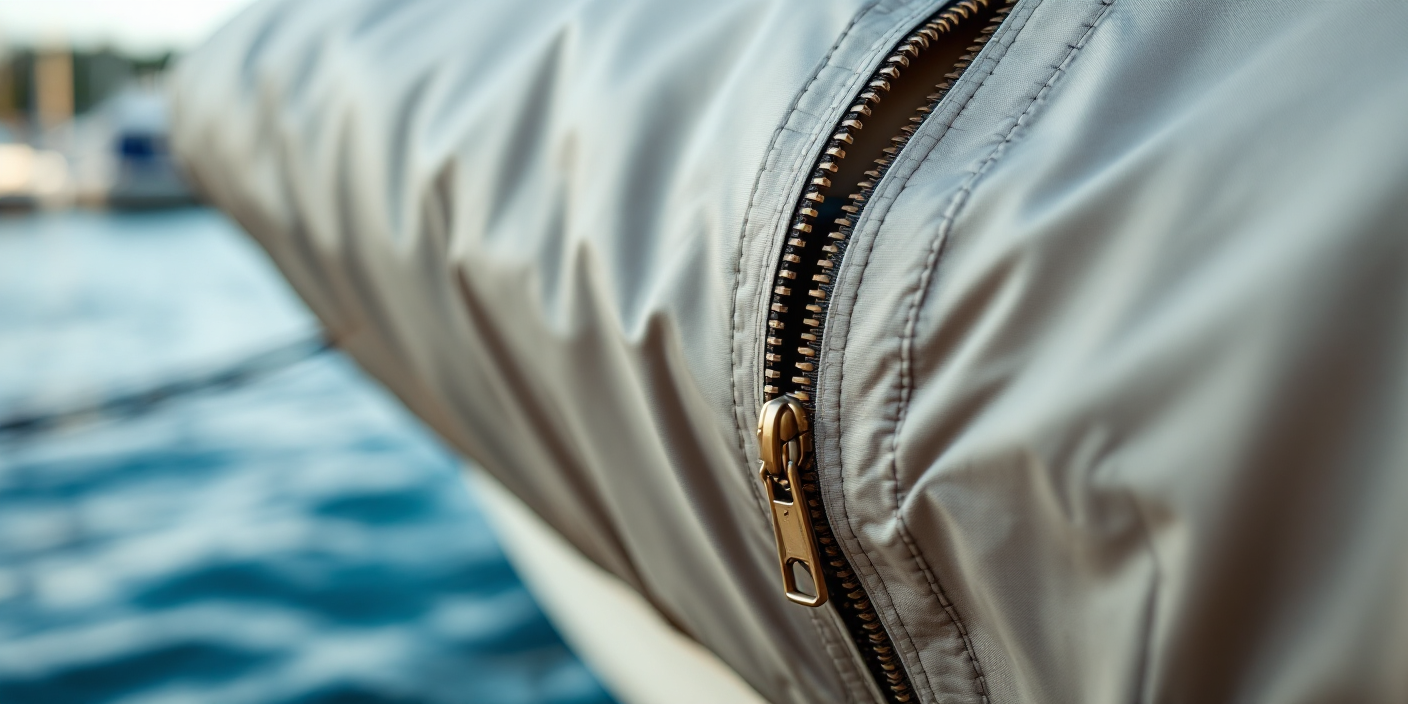
How Tooth Material Determines the Strongest Zipper
Now that gauge is clear, you must consider the materials used to form the zipper teeth. Different industries prioritize different properties, so the strongest material depends on the environment.
Metal Teeth: Highest Tensile Strength
Metal teeth made from brass or stainless steel offer the highest raw tensile strength. Tactical, military, industrial, and safety equipment designers rely on metal #10 zippers because the teeth resist deformation and maintain alignment under heavy loads. The composition and benefits of metal teeth appear in Zipper Materials & Finishes and the comparison Metal vs Plastic Zippers.
Molded Acetal: Best for UV, Moisture & Saltwater
Although metal is strongest under pure tension, molded acetal (Delrin-style) teeth deliver superior environmental performance. They resist UV radiation, saltwater corrosion, chlorine, and mildew better than metal. This makes molded #10 zippers the default choice for marine covers, outdoor cushions, boat enclosures, awnings, RV covers, and commercial tent doors. Their long-term behavior in harsh environments is discussed further in Polypropylene vs Polyester and Nylon vs Polypropylene.
Coil Teeth: Best for Flexibility and Curved Applications
Reinforced coil zippers are not the strongest in tension, but they excel in flex-fatigue strength and curved installations. Aviation, industrial curtain manufacturers, and soft-sided equipment builders depend on coil because it operates smoothly around arcs and folds. Additional comparisons appear in Coil vs Molded Zippers.
The strongest zipper material depends entirely on whether you need tensile force, environmental durability, or continuous flexing.
Why Tape Strength Plays a Major Role in Zipper Durability
Even the strongest teeth fail when they sit on weak tape. Zipper tape must endure shear loads, lateral pulling forces, UV exposure, moisture, chemicals, and abrasion—often for years. For this reason, high-tenacity polyester or polypropylene tape remains the preferred choice for industrial, marine, tactical, and outdoor applications.
Tape engineering—especially in relation to denier, weave structure, and coating compatibility—is explained in detail in Zipper Tape Construction: Weave, Denier & Strength Engineering Explained. Matching tape material to the environment dramatically increases product life and ensures the chain remains anchored even under violent or repetitive stress.
How Slider Design Affects the Strongest Zipper
Sliders carry significant mechanical responsibility. They manage tooth alignment, transmit user force, and resist torque loads during opening and closing. Because slider failure is common in low-quality hardware, the strongest zippers always use reinforced sliders engineered with heavier walls, hardened cams, and corrosion-resistant finishes.
Auto-lock sliders provide additional security when used on tactical packs, duty gear, and industrial covers that experience tension or vibration. More details appear in the Guide to Zipper Teeth, Sliders and Their Parts.
Metal vs Molded vs Coil: Which Zipper Type Is Actually the Strongest?
Before choosing the strongest zipper, consider the application:
Metal is strongest for tensile force
Metal #10 zippers outperform all other materials in straight load-bearing performance. This is why you find them in plate carriers, ballistic-rated gear, firefighter suits, industrial safety apparel, and heavy luggage. For comparisons between metals, see Brass vs Aluminum Zippers.
Molded is strongest for environmental exposure
Saltwater, UV radiation, mildew, and moisture degrade metal hardware. In contrast, molded acetal zippers remain stable in harsh outdoor and marine conditions. These performance traits appear in Marine & Outdoor Zippers Built for Salt, Sun and Cold.
Coil is strongest for flexible movement
Coil handles continuous bending, zipper curvature, and soft-sided applications far better than metal or molded teeth. More detail appears in Coil vs Molded Zippers.
Because environments vary, the strongest zipper is always engineered around the stress profile of the application.
Why #10 Is the Worldwide Heavy-Duty Standard
The #10 zipper delivers unmatched performance across nearly every heavy-duty category. Its thick teeth, deep interlocking geometry, reinforced tape width, and high-torque slider body allow it to withstand extreme loads, aggressive pulling forces, and long-term fatigue cycles.
This is why #10 is the preferred chain size for tactical backpacks, military duffels, marine covers, industrial enclosures, tents, awnings, fire-resistant suits, and rugged outdoor equipment. For more detail, see Choosing the Right Zipper and The Best Cut-to-Length Upholstery Zippers.
Environmental Conditions That Destroy Weak Zippers
Environmental exposure often destroys a zipper long before tensile force does. To choose the strongest zipper, you must consider how the product will be used outdoors, in chemical environments, or in high-temperature conditions.
UV Radiation
UV light weakens low-quality plastics and untreated nylon. UV-stable molded acetal and UV-stable polypropylene tape perform far better outdoors. More information appears in How UV Resistance Impacts Outdoor Zipper Lifespan.
Saltwater Corrosion
Saltwater rapidly corrodes untreated and even coated metal zippers. Because molded zippers resist corrosion, they dominate marine covers and boat enclosures. Insights appear in the Marine Fabricators industry page.
Temperature Extremes
High heat softens inferior plastics. Extreme cold leads to cracking. Products needing thermal stability depend on solutions outlined in Temperature-Resistant Zippers and Aerospace Zippers for Temperature Extremes & Pressure Control.
Chemical Exposure
Industrial chemicals degrade adhesives, tapes, and coatings. Chemically resistant configurations are discussed in Chemical-Resistant Zippers for Spill & Environmental Containment.
Understanding these environmental factors guides manufacturers toward the correct heavy-duty configuration.
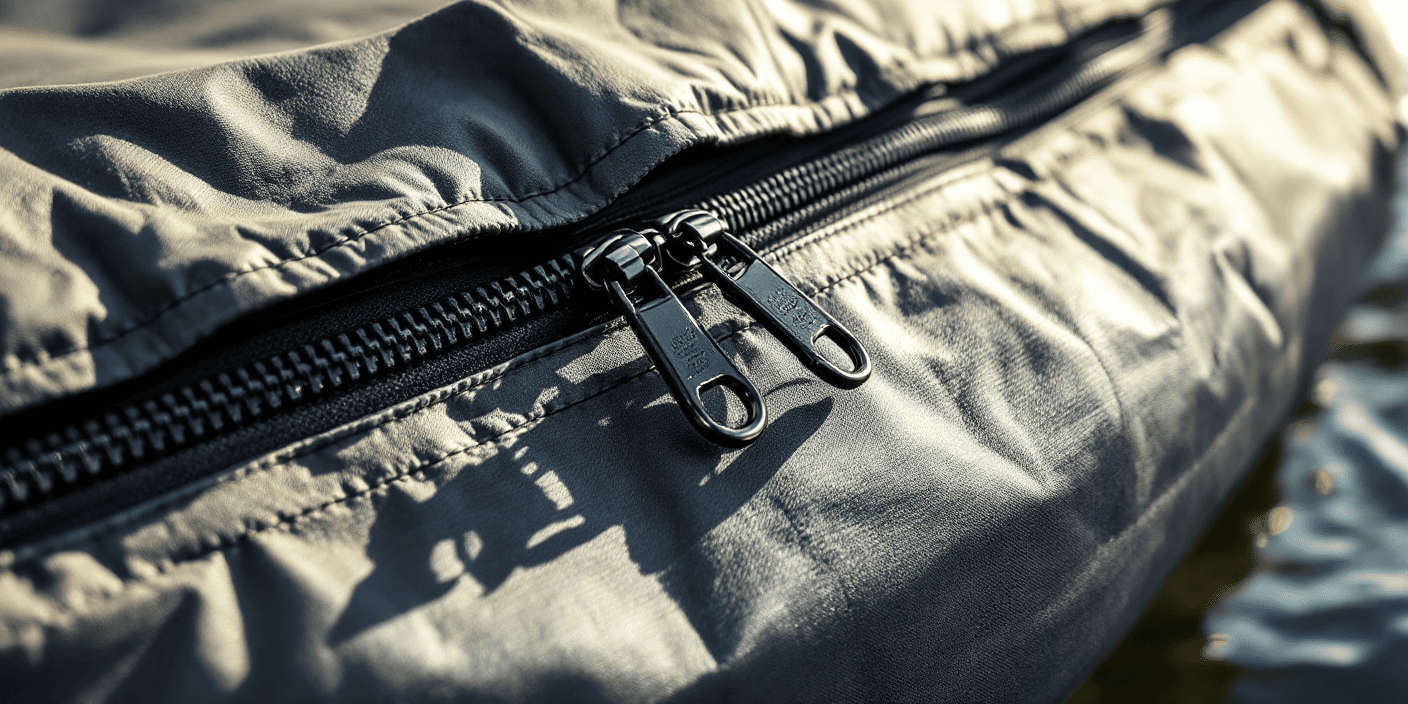
What the Strongest Zipper Typically Looks Like
#10 gauge for maximum structural strength
Brass, stainless steel, or molded acetal teeth based on environment
High-tenacity polypropylene or polyester tape for tear and shear resistance
Reinforced auto-lock slider for torque stability
UV-, chemical-, or salt-resistant finishes depending on use case
Certified tensile, fatigue, and corrosion testing
You can explore the fundamentals in Zipper Engineering 101 and the Zipper Glossary.
Testing Methods That Define the Strongest Zipper
Heavy-duty zippers undergo extensive ASTM, ISO, and military tests that measure tensile force, slider retention, corrosion resistance, abrasion survival, UV endurance, and long-term fatigue. These tests simulate real-world use and verify that the zipper will not fail under industrial or tactical pressure.
Test methods appear in Inside Zipper Testing and Zipper Load Testing Explained.
Common Zipper Failure Points and How Strong Zippers Prevent Them
To build the strongest zipper, manufacturers must understand how failures occur. Zippers most often fail due to tape tearing, tooth deformation, slider fatigue, corrosion, UV breakdown, and misalignment caused by torque. Fortunately, each failure mode can be engineered out.
High-tensile tape eliminates tearing. Harder metals and molded resins prevent tooth bending. Corrosion-resistant coatings protect hardware in marine environments. UV-stabilizers protect outdoor products. Reinforced sliders reduce twisting and torque failures. These engineering solutions are documented in Common Zipper Design Mistakes and Why Equipment Covers Fail.
Because the strongest zipper proactively prevents failure, it must be specified—not assumed.
Why U.S.-Made Heavy-Duty Zippers Outperform Imports
Manufacturers increasingly choose U.S.-made heavy-duty zippers because they perform better under real-world stress. American-made metal, molded, and coil zippers rely on higher-grade alloys, engineered resins, precision tolerances, stronger sliders, and better tapes. These differences appear in LenZip vs YKK and Why U.S. Zipper Manufacturing Matters for Supply Chain Stability.
Domestic production ensures consistent resin batches, predictable lead times, and tighter quality control. It also provides engineering support through resources like Zipper Coatings & Finishes, Integrating Zippers into RF-Welded or Heat-Sealed Seams, Custom-Fit Demystifying Cut-to-Length Zippers, and Eco-Engineered Zippers.
This level of expertise ensures that the strongest zipper performs reliably in tactical, industrial, marine, aerospace, and outdoor conditions.
Strongest Zipper Recommendations by Industry
Military & Tactical: Metal #10 (brass or stainless) for maximum tensile resistance. See Zippers for Tactical Packs.
Marine & Outdoor: #10 molded acetal with polypropylene tape for UV and saltwater resistance. See Marine & Outdoor Zippers Built for Salt, Sun and Cold.
Industrial Equipment: #10 molded or metal with high-denier tape. See Industrial Curtain Zippers.
Aerospace: Thermal- and chemical-resistant zippers for extreme environments. See Zippers for Aerospace and Aviation Textiles.
FR Safety Gear: Flame-resistant tapes and coated metals. See Fire-Resistant Zippers: Engineering Safety.
Why LenZip Makes Some of the Strongest Zippers in the World
LenZip produces U.S.-engineered zipper systems built on advanced materials, verified testing, and application-specific design. Their heavy-duty lines rely on proprietary resin blends, high-denier tapes, reinforced sliders, and domestic quality standards that outperform low-cost imports.
To design or source the strongest zipper for any environment, visit the Products section or Request a Quote for custom configurations.
FAQ
What is the strongest zipper material?
Brass and stainless steel offer the highest tensile strength, while molded acetal offers superior environmental durability. For more context, see Metal vs Plastic Zippers.
Is #10 the strongest size?
Yes. #10 is the global standard for military, marine, industrial, and outdoor performance, as outlined in the Zipper Gauge Chain Size Chart.
What zipper lasts longest outdoors?
A UV-stable #10 molded zipper with polypropylene tape, engineered as shown in Marine & Outdoor Zippers Built for Salt, Sun and Cold.
What is the strongest marine zipper?
#10 molded acetal with a corrosion-resistant slider, commonly specified in the Marine Fabricators segment.
How are strong zippers tested?
Through tensile, fatigue, corrosion, and UV-aging tests documented in Zipper Testing Standards and Inside Zipper Testing.