
Why Zipper Gauge Is the Foundation of Every High-Performing Zipper
In every segment of the textile, outdoor, luggage, automotive, marine, and industrial markets, zipper performance is only as reliable as the engineering behind the gauge. While zipper length determines how long a closure runs and the tape specifies the fabric component, the zipper gauge—the measurement represented by standardized numbers like #5, #8, and #10—determines the actual strength, load capacity, durability, and long-term functionality of the closure system. Understanding zipper gauge sizes explained through technical measurement standards is therefore essential for anyone involved in manufacturing soft goods.
Gauge controls nearly everything: how the slider interfaces with the chain, how well the teeth resist load, how smoothly the zipper operates, and how long it lasts before fatigue, spreading, or chain separation occur. When product designers and engineers begin specifying hardware, one of the first decisions they make is selecting a gauge that physically and mechanically aligns with the stresses the product will endure.
A #5 zipper used on lightweight apparel may work flawlessly for years, but the same zipper deployed on an outdoor cushion, duffel bag, tent door, or marine cover can quickly fail due to insufficient chain width and inadequate tooth mass. In contrast, a #10 zipper—common in industrial, tactical, and marine-grade applications—offers superior tensile strength, larger sliders, higher tooth engagement force, and greater tolerance for environmental extremes. Gauge selection is therefore never aesthetic alone; it’s an engineering decision that directly impacts product performance.
This is why manufacturers rely on consistent reference points like the zipper size chart, zipper gauge chart, and zipper sizing chart to ensure proper matching between zipper teeth sizes, tape materials, sliders, and environmental requirements. The process is technical, but once the principles are understood, selecting the right zipper size becomes far more intuitive.
For a reliable foundation, detailed specifications for chain width, gauge measurement, and material compatibility can be found through resources like the LenZip Zipper Gauge Chain Size Chart and the deeper engineering breakdowns in LenZip Zipper Engineering 101.
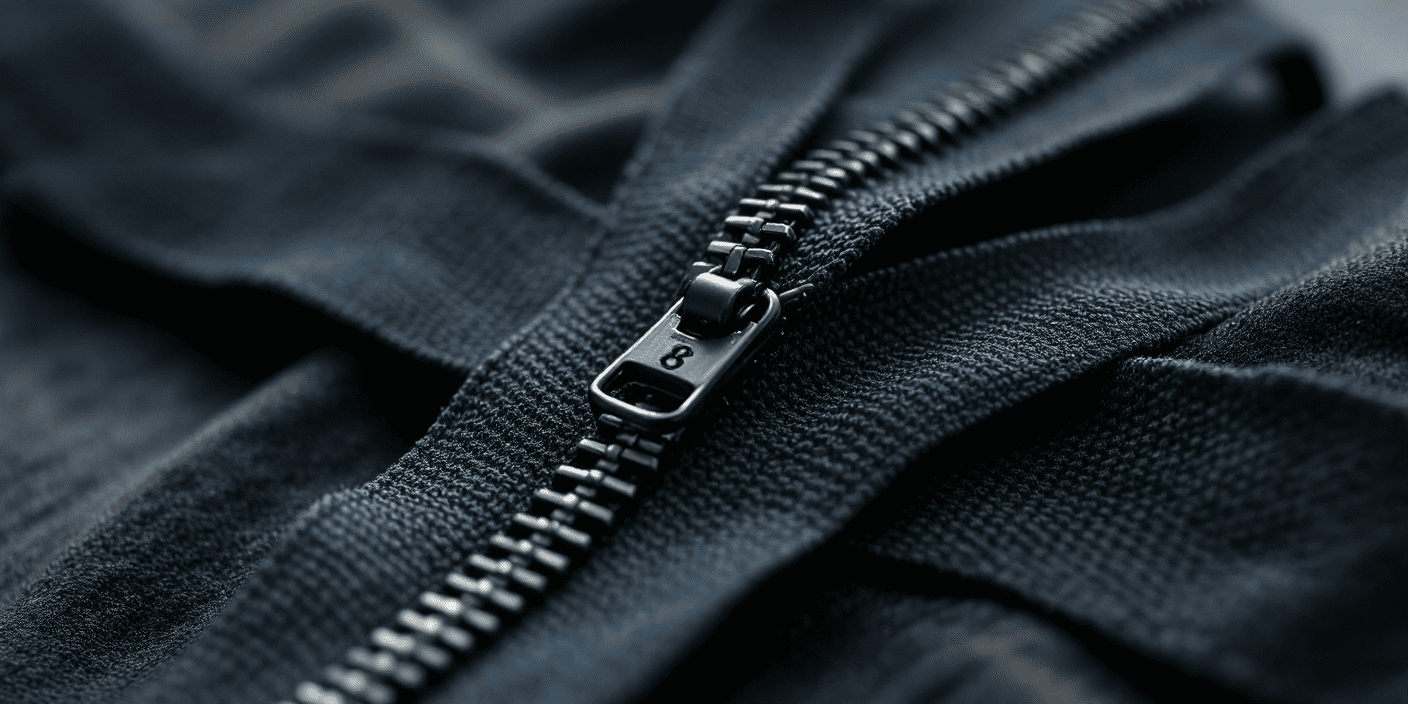
How Zipper Gauge Numbers Are Measured
Although zipper sizing is widely standardized, most end users and even many designers don’t realize how zipper size is determined or how to measure zipper size accurately. Gauge is measured using the width of the closed zipper teeth, expressed in millimeters. This is done using either a precision metric ruler or digital calipers. It is not measured using tape width, zipper length, or slider dimensions, all of which vary independently.
The gauge number corresponds to the approximate width of the teeth when the zipper is fully closed.
For example:
A #5 zipper typically measures ~5.5 mm across the closed teeth
A #8 zipper measures ~8 mm
A #10 zipper measures ~10 mm
These nominal measurements remain consistent across brands, zipper types, and materials. Whether evaluating coil (spiral), molded plastic, or metal zippers, the method for how to measure a zipper is identical. This ensures universal compatibility so designers can select sliders, stops, and pulls based on the gauge alone.
The measurement method is standardized through both domestic and international testing norms. Manufacturers such as YKK and U.S.-based suppliers like LenZip follow parallel sizing systems. These measurements align with widely adopted standards recognized by global organizations such as ASTM, which defines criteria for zipper testing profiles, tolerances, and consistency benchmarks.
The consistency allows product teams to compare a zipper measurement from one brand to another accurately, making zipper sizes explained through gauge charts universal tools for textile engineering, procurement, and quality control.
Real Gauge Measurements for the Most Common Sizes
#5 Gauge (~5.5 mm) — Used for jackets, mid-weight bags, apparel, soft cases, and certain upholstery applications
#8 Gauge (~8 mm) — Used for backpacks, duffel bags, soft luggage, outdoor gear, tents, and marine cushions
#10 Gauge (~10 mm) — Used for industrial covers, tactical packs, heavy luggage, boat enclosures, awnings, and large tent structures
These values serve as reliable benchmarks for how to tell zipper size in both consumer and professional settings.
For accuracy, manufacturers should always validate measurements using the How to Read Zipper Spec Sheets Guide.
The Difference Between #5, #8 & #10 Zippers Explained in Engineering Terms
Choosing the correct gauge is not just about strength—it’s about matching the zipper’s mechanical capabilities with environmental stresses, user behavior, and product architecture.
#5 Gauge Zippers
A #5 zipper is the most versatile and widely used across apparel and light equipment. The narrower teeth profile offers:
Flexibility suitable for garments
Smooth operation
Lightweight tape ideal for fashion and casual gear
Reduced stiffness for seam integration
Typical uses include jackets, fleece outerwear, dresses, mid-weight tote bags, and garment pockets. Designers choose #5 when zip size needs to balance flexibility with moderate durability.
Explore garment-specific construction examples through the Zipper Types Explained Guide.
#8 Gauge Zippers
The #8 gauge is engineered for environments requiring greater pull strength, higher fatigue resistance, and more substantial slider retention. Compared to #5:
The larger teeth reduce instances of chain spreading
The chain tolerates higher loads
The zipper resists distortion under tension
Sliders interface more securely
This makes #8 the preferred zipper size for backpacks, soft luggage, duffel bags, tents, and robust outdoor cushions. For outdoor use cases, designers often evaluate material compatibility using resources like Zipper Materials & Finishes.
#10 Gauge Zippers
The #10 gauge is the heavy-duty workhorse across multiple industrial markets. It offers:
Maximum tensile strength
Highest fatigue resistance
Superior durability in sand, mud, saltwater, or UV exposure
Large, rigid slider housings
High tooth engagement force
These zippers appear in tactical rucksacks, boat enclosures, industrial equipment covers, modular structures, military gear, and everything requiring extreme durability. Many of these applications overlap with those described in the technical resources at Finding Industrial Strength Zippers for Any Project.
The difference between #5 vs #8 vs #10 zippers is therefore not linear; each step represents a major increase in mechanical performance.
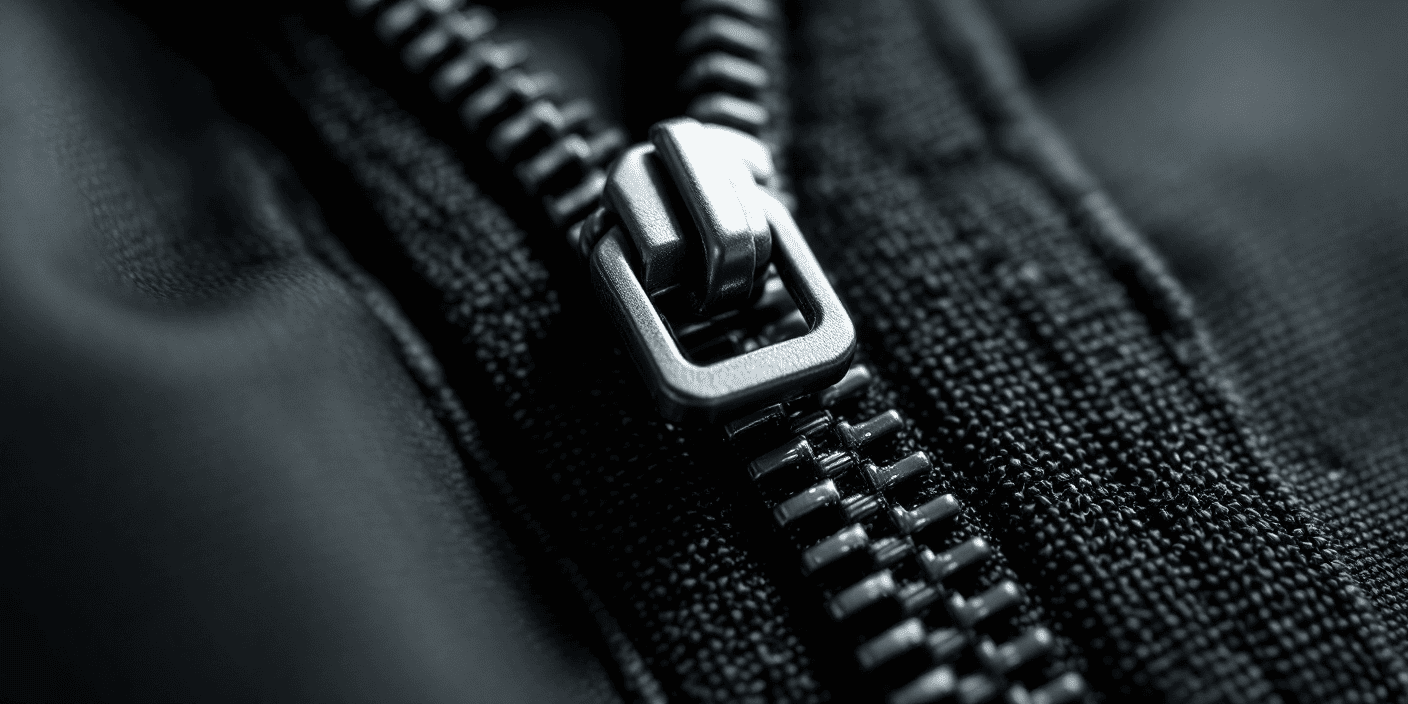
Coil vs. Molded vs. Metal: Gauge Behavior Across Zipper Types
Gauge numbers alone do not tell the full story because the type of zipper—coil, molded, or metal—determines tooth geometry and structural behavior.
Coil Zippers
Coil zippers use an extruded or woven nylon or polyester filament sewn into the tape. They are flexible, lightweight, and ideal for products that require curvature, bending, or soft handling. Even a #10 coil zipper can feel more flexible than a #8 molded plastic zipper.
Coil teeth are protected within the coil structure, making them extremely resistant to dirt infiltration. This design also ensures smoother slider movement. For a deeper breakdown of coil properties, see the engineering comparisons in Coil vs. Molded Zippers.
Molded Plastic Zippers
Molded zippers feature individually formed teeth fused directly onto the tape. At the same gauge, molded teeth tend to be:
More rigid
More durable under UV
Better suited for outdoor and marine textiles
Less flexible but more rugged
This makes the molded #10 the dominant zipper for tents, boat canvases, awnings, and heavy outdoor covers. Materials and resin characteristics for molded teeth are further detailed in Zipper Materials & Finishes.
Metal Zippers
Metal zippers use stamped or die-cast metal teeth. A #5 metal zipper often outperforms a #5 coil or molded zipper in abrasion resistance but does not surpass a #10 in overall strength.
Metal teeth are typically zinc, brass, or aluminum. Comparative benefits appear in the Brass vs. Aluminum Zippers Guide.
How to Choose the Right Gauge for Your Application
Application-based selection is the most reliable method for determining zipper size. Consider tensile load, slider pull frequency, environmental exposure, and material compatibility. For example:
Upholstery designers may require #8 or upgraded #10 gauges for cushion covers experiencing repeated stress, especially outdoors
Jacket manufacturers typically use #5 because the chain is flexible and lightweight
Tent and marine fabricators need #8 minimum, with #10 standard for high-tension corners
Material compatibility matters too. Polyester tape is the most common for outdoor products, while polypropylene plays an increasing role in moisture management and marine environments. For a breakdown of tape differences, see Polypropylene vs. Polyester.
Gauge Recommendations by Industry Category
Light Apparel & Fashion — #3 or #5 depending on pocket or closure use
Jackets & Outerwear — Primarily #5 for balance of durability and flexibility
Backpacks & Luggage — #8 for most designs, sometimes #10 for heavy cases
Marine Fabrication — #10 for enclosures, #8 for cushions, specialty coatings as needed
Tents & Outdoor Structures — #8 for doorways and windows, #10 for roof tension points
Industrial Covers — Always #10, reinforced sliders recommended
For visual reference, detailed terminology is available in the Zipper Glossary.
Why Wrong Gauge Selection Causes Premature Failure
Most zipper failures originate from undersizing the gauge relative to the load. Mechanical issues occur when the zipper’s gauge cannot support tensile stresses or repeated slider movement. Failures include:
Teeth separating under load
Slider distortion
Chain waving or spreading
Tape detachment
Tooth deformation from abrasion or UV exposure
These issues commonly arise when a #5 is used where a #8 is needed, or when a #8 is placed into a heavy industrial application requiring #10.
For technical breakdowns of failure modes, refer to Zipper Teeth Not Closing and the testing protocols outlined in How Zippers Are Tested for Strength, Corrosion, and Fatigue.
How to Measure a Zipper Gauge at Home or in Manufacturing
Measuring gauge is consistent across all industries:
Close the zipper.
Position calipers or a millimeter ruler across the teeth at the widest point.
Record the width in millimeters.
Match this measurement to the nearest gauge size using a zipper gauge chart.
Additional measurement guidelines for slider matching, chain geometry, and tape profiles appear in the Guide to Zipper Teeth, Sliders, and Their Parts.
If you need to measure zipper length, always measure from the top stop to the bottom stop—excluding the tape tail. More detail appears in the How to Read Zipper Spec Sheets Guide.
When to Upgrade to #10 Heavy-Duty Zippers
A #10 zipper is required when:
The product is under tension
UV exposure is high
Large panels need reliable anchoring
Abrasion risk is significant
Marine moisture or salt corrosion is expected
Tactical or industrial load forces exceed standard durability
High-tension outdoor gear, boat enclosures, large tent openings, and industrial covers cannot perform reliably without #10 hardware.
Environmental performance variations are explored in greater detail in Nylon vs. Polyester vs. Polypropylene: The Ultimate Webbing Showdown, which parallels zipper tape material behavior.
Final Thoughts: Zipper Gauge Determines Product Success
Understanding zipper number sizes and accurately interpreting zipper gauge chart information is essential for any professional specifying hardware for apparel, outdoor gear, luggage, industrial covers, or marine applications. Gauge controls strength, durability, slider compatibility, and overall product longevity. Errors in gauge selection lead to immediate failure modes, while correct sizing ensures decades of reliable use.
Manufacturers seeking precision, long-term durability, and consistently high production quality rely on U.S.-made zipper engineering from LenZip. With a complete range of gauges, materials, sizes, and finishes, LenZip offers unmatched customization for every performance requirement—whether for a lightweight #5 jacket zipper or a #10 heavy-duty industrial closure.
Frequently Asked Questions
What does zipper gauge actually measure?
It measures the width of the closed teeth in millimeters. The gauge corresponds directly to that measurement. See the Zipper Gauge Chain Size Chart for reference.
How do I measure a zipper if it has no marking?
Close the zipper, measure across the teeth, and match the reading to a gauge using the How to Read Zipper Spec Sheets Guide.
Are #5 and #8 zippers interchangeable?
No. They differ in width, slider size, and strength. Selection guidance is available in the Choosing the Right Zipper Guide.
What is the strongest zipper gauge?
#10 is the strongest standard gauge. It is used for industrial, marine, tactical, and heavy outdoor products. Strength comparisons are detailed in Zipper Load Testing Explained.
What size zipper is best for jackets?
Most jackets use #5 for flexibility and durability. Additional context appears in the Zipper Types Explained Guide.
Do different zipper types affect gauge strength?
Yes. Metal, molded, and coil zippers behave differently even at the same gauge. Compare types using Coil vs. Molded Zippers.
How many teeth does a zipper have?
The count depends on gauge and length. Tooth spacing patterns are detailed in the Guide to Zipper Teeth and Sliders.
Are YKK zipper sizes the same as LenZip’s?
Yes—gauge measurements are standardized globally, but materials and finishes differ. YKK’s standards are documented at YKK Fastening.
What causes zipper failure when gauge is too small?
Teeth spreading, slider wear, tape fatigue, and chain separation. Breakdown information appears in Zipper Teeth Not Closing.
Does gauge impact water-resistant performance?
Yes. Higher gauges typically provide better closure integrity. Material factors appear in Zipper Materials & Finishes.