
OEM procurement teams searching for where to buy zippers in bulk in the USA quickly discover how complex the zipper supply chain becomes once scale, testing, durability, and compliance enter the equation. Industrial buyers sourcing wholesale zippers for apparel, automotive, marine, aerospace, tactical, medical, tent, or industrial cover production must evaluate much more than price—they must verify tensile strength, gauge precision, tape construction, plating stability, UV resistance, and the supplier’s ability to deliver consistent performance across millions of cycles. In this landscape, buying zippers in bulk from a U.S. zipper manufacturer like LenZip delivers the engineering accountability, documentation, and production repeatability that high-stakes OEM programs require.
This guide breaks down the U.S. zipper sourcing ecosystem, explains the technical variables that matter when buying zippers wholesale, outlines the strengths and risks of each sourcing channel, and identifies what OEMs must look for when choosing a bulk zipper supplier. With extensive references to materials, testing standards, performance variables, and industry-specific requirements, this guide provides a complete, technical overview of where to buy zippers in bulk in the United States.
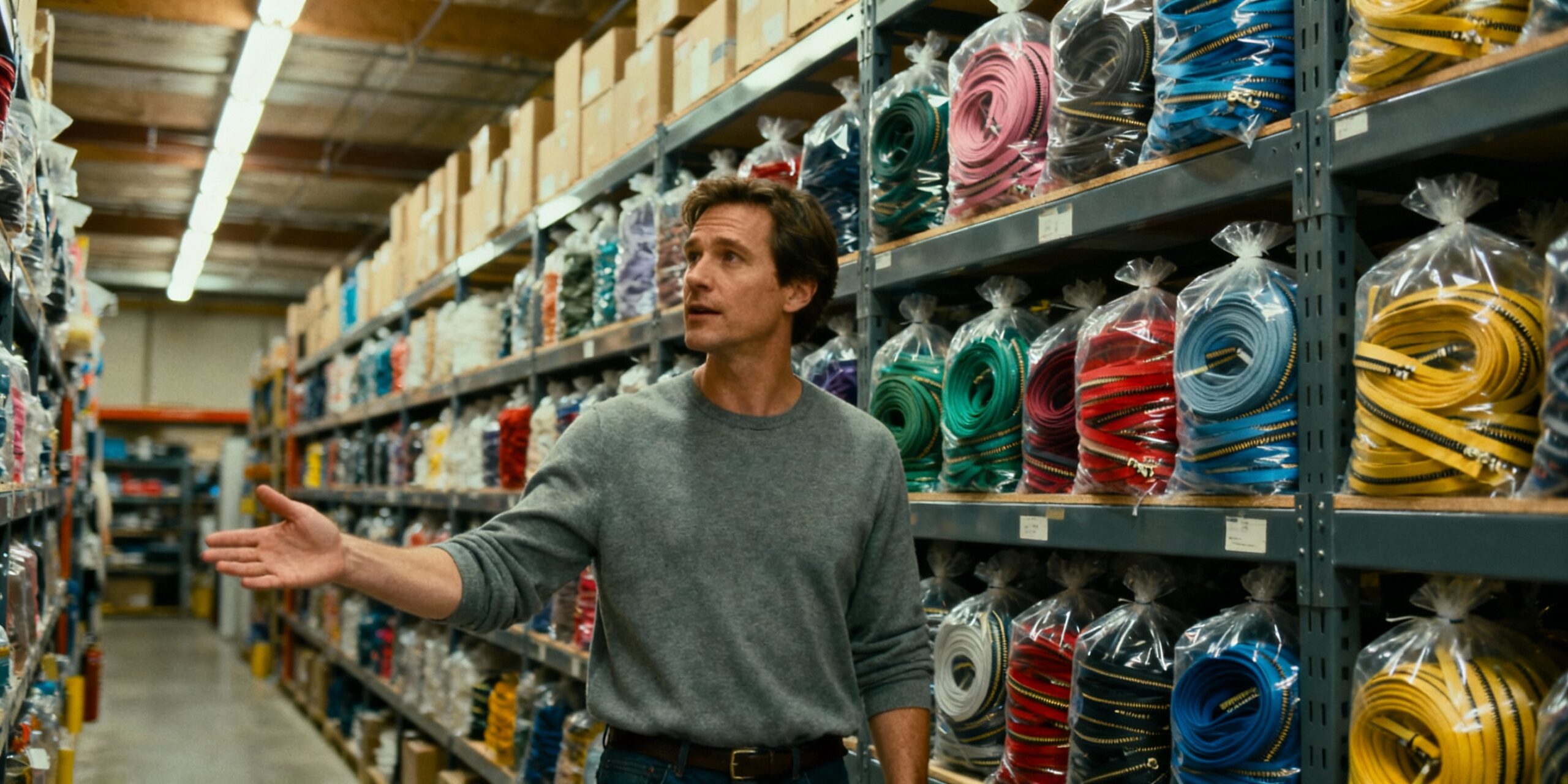
Why Domestic Manufacturing Matters When Buying Zippers in Bulk
The U.S. zipper manufacturing base—led by specialized producers such as LenZip—operates under controlled material specifications, documented processes, and formalized testing standards. Domestic zipper production uses certified metal alloys, engineered polymers, and high-denier woven tapes that maintain consistent strength, shrink stability, and plating performance. Because U.S. factories follow documented quality systems and ASTM-driven zipper testing procedures, OEMs benefit from batch-level traceability that links each zipper lot back to resin inputs, metal composition, tape weave, finish chemistry, and machine settings.
This level of transparency is critical for industries where a zipper failure can compromise safety, like aerospace, tactical gear, biocontainment systems, or industrial enclosures. Resources such as zipper testing standards, how zippers are tested for strength, corrosion, and fatigue, and zipper load testing explained illustrate how domestic producers validate zipper performance.
Imported zippers—even from reputable distributors—often combine multiple offshore factories into a single bulk shipment, making it nearly impossible to maintain consistent tape denier, gauge tolerances, metal purity, or finish quality across lots. For OEMs, this inconsistency increases the risk of returns, assembly-line disruptions, color mismatch, and warranty exposure. Comparing U.S. and imported production through resources like LenZip vs. YKK highlights how domestic control eliminates sourcing uncertainty.
Domestic sourcing also eliminates unpredictable delays driven by port congestion, shifting tariffs, customs inspection backlogs, or container shortages. Working with a U.S. zipper supplier ensures stable lead times, rapid engineering feedback, and consistent production—essential for OEMs running high-volume programs on tight schedules.
Types of Bulk Zippers Available in the U.S. Market
When OEMs buy zippers in bulk, they must specify the correct zipper system—not simply a generic “zipper.” A zipper is a mechanical assembly consisting of tape, teeth, slider, finish, and top/bottom stops, and each element must meet application-specific loads and environmental challenges. U.S. manufacturers such as LenZip offer a complete range of zipper types detailed in resources like zipper types explained and guide to zipper teeth, sliders, and their parts.
Coil zippers dominate technical apparel, luggage, soft goods, and curved seams because they offer flexibility and smooth operation. Buyers comparing coil vs. molded formats benefit from engineering comparisons in coil vs molded zippers, which explain how tooth geometry affects durability, impact resistance, and slider alignment.
Molded plastic zippers provide structural rigidity and weather resistance for marine, outdoor, and industrial applications, supported by product lines such as marine outdoor zippers built for salt, sun, and cold. Metal zippers deliver maximum tensile capacity and abrasion resistance for leather goods, heavy-duty bags, tactical gear, industrial garments, and premium apparel, with deeper guidance in metal vs plastic zippers and zipper materials and finishes.
OEM-specific markets require specialized zippers engineered for extreme-duty environments:
Aerospace programs rely on aerospace zippers for temperature extremes and pressure control.
Tactical gear manufacturers use military-grade zippers.
Enclosure makers specify industrial curtain zippers and zippers for protective covers, curtains, and enclosures.
Upholstery shops require the best cut-to-length upholstery zippers or the best zippers by the yard.
Each category requires correctly matched materials, coatings, and tape designs—another advantage of buying from a domestic factory with engineering support.
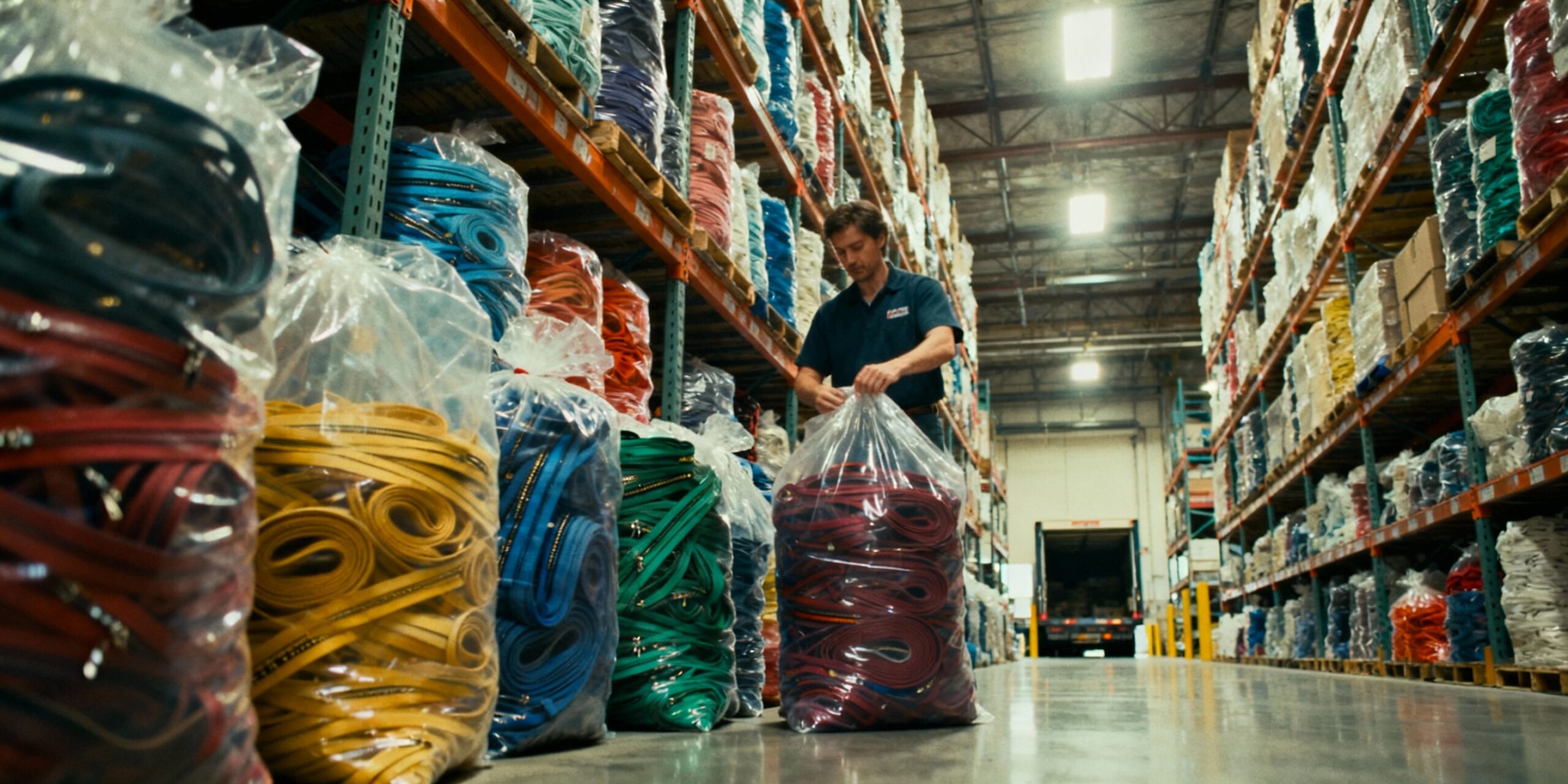
Technical Factors to Evaluate When Buying Zippers in Bulk
Gauge selection is the foundational engineering decision in zipper specification. Gauge determines the cross-sectional scale of the chain, its tensile strength, slider geometry, and application suitability. Heavy-duty applications require gauges like #8 or #10, while lighter garments use smaller gauges. The zipper gauge chain size chart provides essential load and fabric compatibility data.
Material selection drives durability under UV, humidity, flexing, and chemical exposure. OEMs can reference detailed material comparisons like:
Metal selection is equally critical. Brass, aluminum, and engineered alloys all behave differently in corrosion, galvanic reactions, and long-term stability. References such as brass vs aluminum zippers and zipper coatings and finishes explain the metallurgy and chemistry.
Tape is a structural load-bearing component—not fabric trim. OEMs should consult resources like the hidden role of zipper tape and zipper tape construction: weave, denier, and strength to verify weave density, binding stability, shrink behavior, and edge integrity.
To ensure OSHA, ISO, or regulatory compliance, OEMs must prioritize suppliers capable of demonstrating ASTM-verified testing. Buyers should require documentation such as:
Environmental & Regulatory Compliance: A Critical Domestic Advantage
A major improvement area—and a key reason OEMs prefer U.S. manufacturing—is environmental and safety compliance. Domestic zipper suppliers like LenZip support REACH considerations, RoHS awareness, Prop 65 considerations, and documentation for OEM applications requiring material disclosures. Imported zippers often lack verified plating chemistry, alloy purity, or dye safety documentation, creating risk for OEMs in medical, aerospace, automotive, and government-contract environments.
U.S. manufacturing provides consistent chemical controls, material traceability, and full documentation—reducing regulatory exposure and simplifying compliance audits across industries.
Manufacturer vs. Distributor vs. Retail vs. Marketplaces
When you search where to buy a zipper or where to buy zippers in bulk, you find four sources: U.S. manufacturers, import distributors, retail craft stores, and online marketplaces.
U.S. manufacturers like LenZip offer engineering support, spec-sheet guidance, and material matching. Their internal resources—such as zipper glossary, zipper terms you should know, zipper engineering 101, and industry pages—help OEMs specify correctly from the start.
Import distributors may offer cheap unit prices, but their products often lack ASTM documentation, traceability, and consistent metallurgy. This leads to rework, failures, mismatched gauge tolerances, or unpredictable lead times. OEMs evaluating such suppliers should check transparency and stability using insights from a verified Chicago zipper manufacturer.
Retail fabric stores are appropriate for small-batch prototyping but not for industrial volumes. Their products come from various offshore pipelines, often with no testing or material documentation.
Online marketplaces are the highest risk. They obscure origin, production methods, plating chemistry, and tape composition. For industrial or safety-rated applications, marketplaces are never acceptable sources.
For brands scaling from prototypes to production, transitions are documented in resources like bulk zippers for fabric stores and how to start a clothing brand.
What Buyers Should Evaluate Before Purchasing Bulk Zippers in the USA
A supplier’s ability to demonstrate transparent U.S. manufacturing, such as LenZip.
Gauge compatibility validated through the zipper gauge chain size chart.
Tape engineering verified by zipper tape construction.
Polymer choice guided by nylon vs polyester and polypropylene vs polyester.
Metal and finish selection using zipper materials and finishes and metal vs plastic zippers.
Testing and documentation aligned with zipper testing standards.
Application-specific options such as marine fabricator zippers or technical apparel zippers.
Custom engineering support like cut-to-length zippers.
Durability analysis informed by why equipment covers fail and UV resistance lifespan.
Verification using real LenZip reviews.
Buying by Industry: Matching Bulk Zipper Suppliers to Applications
Marine fabricators require high-denier tapes, stabilized polymer teeth, and UV-resistant finishes. Solutions such as marine outdoor zippers and guidance like the future of marine zippers illustrate the engineering behind longevity in saltwater environments.
Tent and shelter makers rely on industry/tents, modular structure zipper guides, and RF-weldable zippers. These applications demand precise tape-to-textile compatibility and controlled shrink characteristics.
Military and tactical programs use military-grade zippers, tactical pack zippers, and rugged specialty finishes.
Automotive interiors rely on why zipper quality matters in automotive interiors and supporting components like webbing and webbing terminology.
Apparel and soft goods buyers reference choosing the right zipper for jackets and outerwear and zippers for sewing.
Each market references dedicated technical pages on the LenZip industry hub, making domestic manufacturing the most reliable answer to where to buy bulk zippers in the USA.
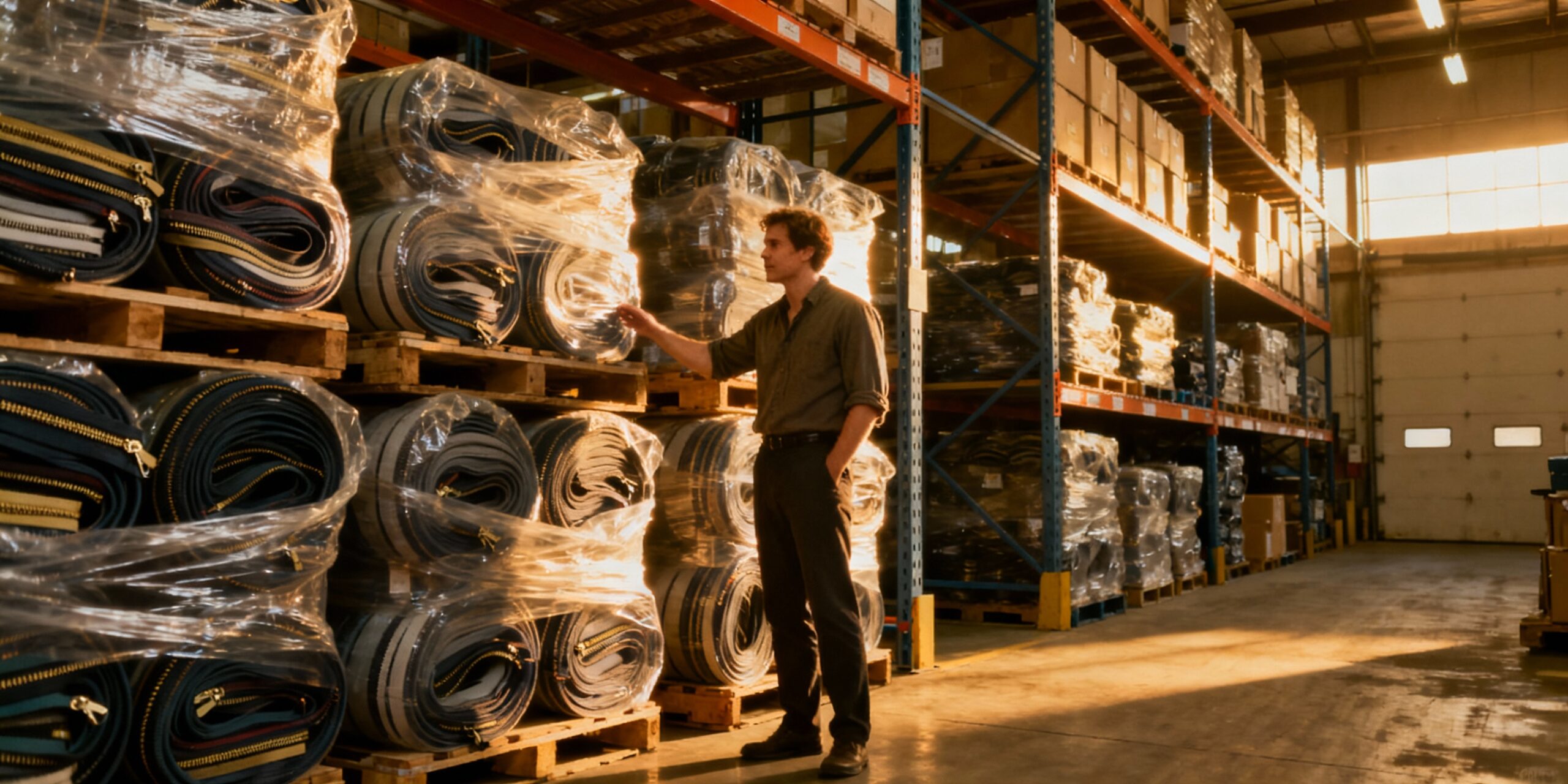
Lifecycle Cost vs. Sticker Price: The Critical OEM Calculation
Cheap imported zippers may appear cost-effective but often increase long-term expenses. Issues like tape shrink, plating failure, UV breakdown, slider delamination, and tolerance drift contribute to:
increased scrap
warranty returns
rework
assembly-line downtime
customer complaints
production inconsistency
Case studies such as zipper specialist improves product and economic analyses like why U.S. zipper manufacturing matters for supply-chain stability show how domestic production lowers total cost of ownership.
OEMs also gain maintainability advantages documented in repairable zippers and circular design and zipper care tips. Even slider replacement guidance like how to replace a zipper slider increases lifecycle value.
Common Problems With Cheap Imported Bulk Zippers
Tape fraying, shrinkage, or splitting
Gauge inconsistencies leading to jamming or misalignment
Corrosion from unverified metal blends
UV breakdown and polymer embrittlement
Plating flaking on sliders
No ASTM-based documentation
Color variation across lots
Unpredictable lead times
Lack of engineering support
Added Improvement: Color Control & Dye Stability
One of the most common failures in imported zippers is color drift—shifts in dye lots, inconsistent polymer tinting, and uneven sheen across batches. Domestic producers like LenZip control dye chemistry, polymer tint percentages, and heat-setting parameters, guaranteeing color-matched bulk shipments across production runs. This is crucial for apparel, bags, marine canvas, and automotive interiors where visual consistency defines product quality.
Added Improvement: Inventory Repeatability & Reorder Stability
OEMs purchasing millions of zippers annually rely on reorder repeatability. Domestic factories provide consistent chain geometry, tape weave, finish chemistry, and slider performance from batch to batch. Imported zippers often change factories, metals, dyes, and process conditions behind the scenes—creating mismatched lots and production inefficiencies.
Added Improvement: MOQ Flexibility
U.S. zipper manufacturers also offer flexible MOQs that scale with prototype, pilot, and full-production phases. Overseas suppliers generally require large MOQs that exceed early-stage needs and increase risk when testing new models. Domestic sourcing supports iterative engineering and short-run development while maintaining consistency for bulk orders.
Customization and Engineering Support: Why Buy Bulk From LenZip
Sourcing bulk zippers from LenZip gives OEMs access to domestic engineering teams who understand zipper geometry, textile integration, polymer science, and multi-environment performance. Technical resources such as zipper and webbing integration, common zipper design mistakes, and integrating zippers into RF-welded or heat-sealed seams help OEMs reduce failure rates and ensure the zipper is correctly matched to its application.
Customization options include:
Custom pulls, colors, gauges, lengths, and finish systems
When OEMs ask where to buy highly specialized zippers for extreme temperatures, chemical exposure, pressurization, or cold-weather flexibility, the answer is a local zipper factory with laboratory validation—not a generic importer.
How to Start Buying Zippers in Bulk From LenZip
Manufacturers, OEMs, and high-volume fabricators ready to buy zippers in bulk from a U.S. manufacturer can begin by reviewing the LenZip products catalog, exploring technical documentation in the resources library, and submitting specifications through the request a quote form…and contact us.
Conclusion
For OEMs determining where to buy zippers in bulk in the USA, domestic manufacturing remains the most reliable option for quality, compliance, and supply-chain control. Working with LenZip ensures consistent engineering standards, ASTM-verified strength testing, controlled materials, traceability, and dependable reorder stability across every production run. In a global market where imported zippers can introduce variability, delays, and regulatory risk, U.S.-made zippers deliver lifecycle value, durability, and predictable performance for every application—making them the definitive choice for industrial buyers, designers, and technical sourcing teams.
FAQ — Buying Zippers in Bulk in the USA
Where is the best place to buy zippers in bulk in the USA?
For industrial, marine, automotive, aerospace, tactical, and apparel OEMs, the best place to buy zippers in bulk is a U.S. manufacturer like LenZip, which provides engineering support, ASTM-based testing, and full material traceability.
How do I choose the right zipper type for my application?
Start with choosing the right zipper and zipper types explained, then match gauge, tape, and materials to your load and environment with support from LenZip engineers.
Which gauge should I specify when buying wholesale zippers?
Use the zipper gauge chain size chart to match expected loads with suitable gauge ranges and review technical documents like how to read zipper spec sheets.
Are U.S.-made zippers better than imported ones?
Yes. U.S.-made zippers from LenZip deliver consistent materials, controlled tolerances, and full testing documentation—reducing failures, downtime, and warranty exposure.
Can LenZip supply custom bulk zippers?
Yes. LenZip provides custom solutions for marine, tactical, medical, aerospace, industrial covers, technical apparel, and more, including custom-fit cut-to-length zippers.
What compliance documentation should a zipper supplier provide?
OEMs should require ASTM, tensile, UV, corrosion, and fatigue test documentation. LenZip provides complete testing coverage through its zipper testing standards portal.
Why does tape quality matter?
Weak tape undermines even the strongest metal or molded chain. For deeper insight, see the hidden role of zipper tape and zipper and webbing integration.
Where can I learn zipper terminology?
Use the zipper glossary, zipper terms, and webbing terminology to standardize communication.
Can small brands switch from retail zippers to wholesale?
Yes—many do. Transition guidance appears in bulk zippers for fabric stores and how to start a clothing brand.
How do I begin with LenZip?
Review the products catalog, explore the industry library, and submit specifications via the request a quote form to begin a structured bulk sourcing program.